DA
DANYAL WORKSPACE
Interactive Developer Portfolio
Workspace Ready
v5.15Welcome Dashboard
Workspace / Welcome Dashboard
Welcome to Danyal Workspace•Portfolio Session Active
Operational · Available for Hire

Danyal Ahmed
Full-Stack & Front-End Web Developer
Passionate Web Developer specializing in building high-conversion WordPress websites, modern React & Next.js applications, custom API architectures, and ultra-responsive digital user experiences. Focused on clean code, speed, and measurable performance.
2+ Years Experience15+ Completed ProjectsWordPress & Next.js Specialist
Featured Project Spotlight
01 / 03
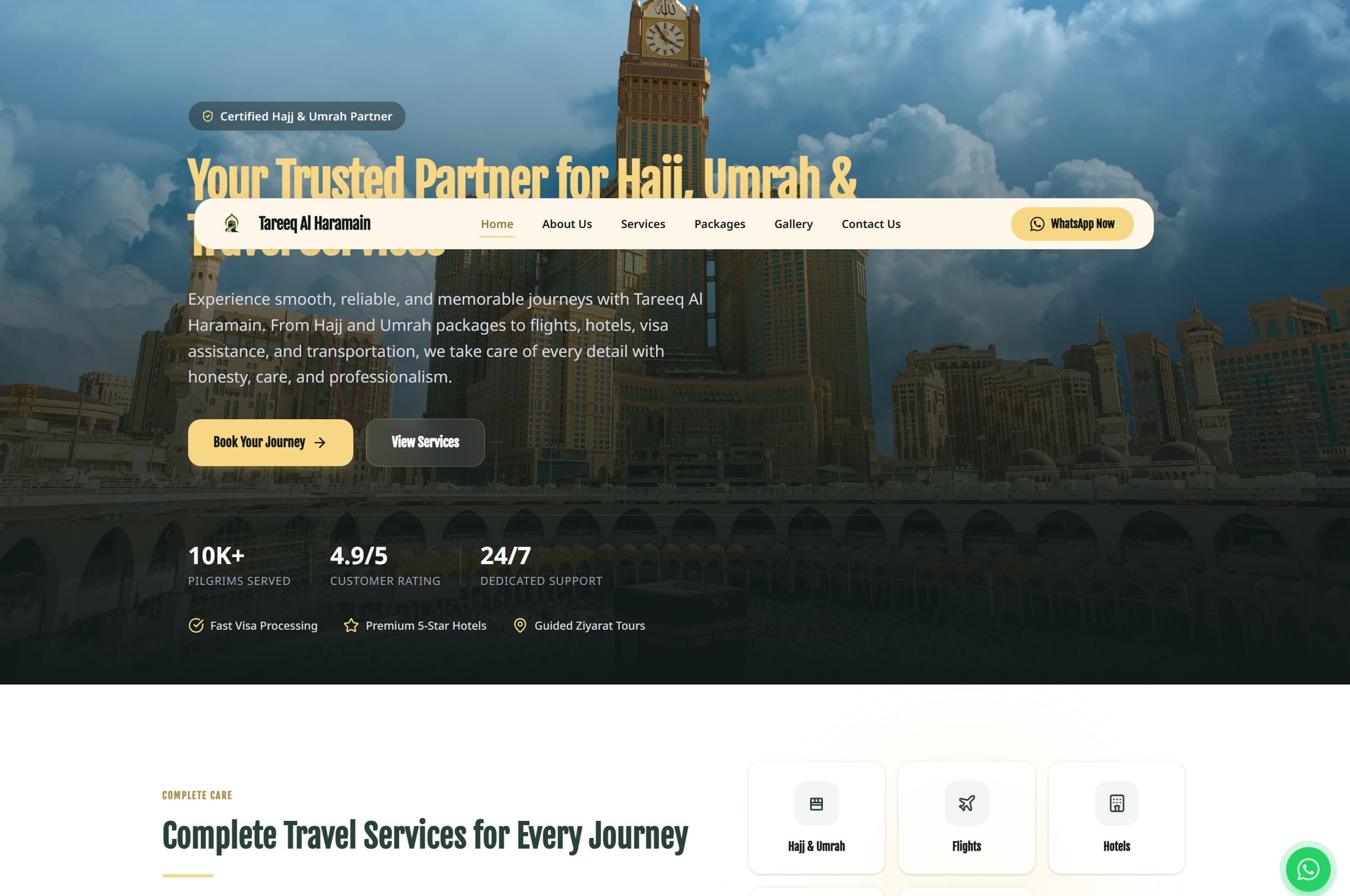
Next.js
Hajj & Umrah Travel Platform
Tareeq Al Harmain
Full-stack travel agency platform engineered with Next.js, custom booking workflows, and high-conversion responsive design.
Continue Exploring
Workstation Stack & Capabilities
CMS & E-Commerce
WordPressElementor ProWooCommerce
Frontend Engineering
JavaScript (ES6+)Next.jsReact.jsTailwind CSS
Core Specialities
Custom ThemesResponsive UI/UXSEO & Performance
Workstation Status
Featured PlatformTareeq Al Harmain
Portfolio Data Synced
Credentials / CVPDF Verified
Inquiry Channel Active
100M